
Secondary Containment Systems
Spill Containment
KPM is a full-service industrial contractor providing the engineering support, equipment procurement, and field installation needed to deliver spill containment for industrial customers. We support rail, truck, and storage applications while coordinating the surrounding scope, including loading arms, gangways, tank maintenance, tank change-outs, tank inspections, piping, heat tracing, steam tracing, fuel stations, and turnkey industrial installations with trusted manufacturing partners.
Containment delivered by a full-service industrial contractor
Tank Farm Containment
KPM provides engineering support, procurement coordination, and installation for containment around bulk storage as part of a larger tank farm scope that may also include piping, tracing, tank maintenance, inspections, and future change-out planning.
- Containment berms, walls, liners, and sealed floor systems
- Drainage routing, sump collection, and product recovery planning
- SPCC capacity, grading, and operational layout coordination
- Access planning for inspection, maintenance, and cleaning work
- Integration with tanks, piping, heat tracing, and adjacent equipment pads
- Containment scope aligned with long-term facility maintenance needs
Truck Spill Containment
KPM builds containment for loading and unloading zones where transfer equipment, operator access, and daily traffic all have to work together without sacrificing spill control or slowing down operations.
- Drive-over pads and transfer-area containment surfaces
- Portable and fixed containment options based on site use
- Chemical-resistant materials selected for the product handled
- Drain covers, collection points, and recovery connections
- Coordination with loading arms, hoses, fuel station components, and transfer equipment
- Layouts that keep operations moving while improving spill control
Railroad Spill Containment
KPM installs rail containment systems for transfer points where product capture, operator footing, drainage, and the surrounding loading scope all have to function as one coordinated industrial installation.
- Track pan systems installed between and alongside rails
- Operator access surfaces and hose-handling clearances
- Integrated drainage routing and downstream recovery points
- Site-specific details for weather, maintenance, and washdown conditions
- Coordination with gangways, loading equipment, piping, and transfer utilities
- Containment layouts built around the actual transfer operation
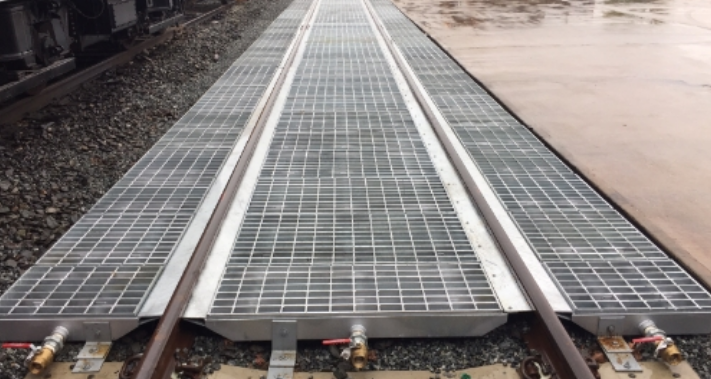
Steel Track Pan System
Low-profile rail containment built for product capture and operator access
This is the kind of rail containment KPM installs when the project calls for one complete field solution that ties spill capture, drainage control, operator access, and transfer activity together.
- Continuous steel pan containment installed directly between and alongside rails
- Open grating surface supports inspection work, hose handling, and regular operations
- Pan sections can be tied into drainage routing and downstream recovery equipment
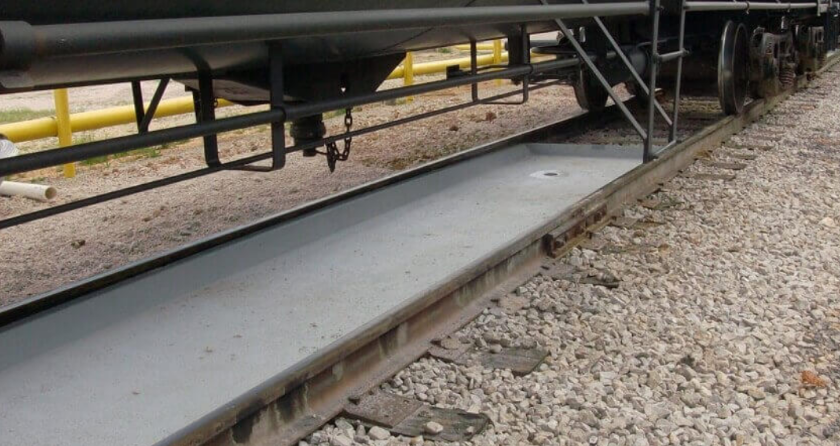
Fiberglass Manufactured Equipment
Fiberglass containment systems for durable, corrosion-resistant service
KPM also supports fiberglass containment systems when the facility needs corrosion resistance, lower maintenance, and dependable service life as part of a larger industrial installation package.
- Molded containment surfaces built for harsh product and weather exposure
- Long-service construction for active transfer zones with regular operator traffic
- Compatible with drainage, recovery, and inspection access requirements
Why containment belongs in the larger facility scope
Protect the site
- Prevent soil and groundwater contamination
- Reduce cleanup scope and downstream remediation costs
- Keep spills from moving into stormwater or surrounding work areas
- Protect concrete, subgrade, and nearby equipment from repeat exposure
- Provide a controlled area for spill response and product recovery
- Support long-term environmental compliance at active facilities
Protect the operation
- Improve footing, access, and housekeeping in active transfer areas
- Help crews respond faster when a release or drip event occurs
- Limit downtime tied to cleanup and product migration
- Support inspection, maintenance, and washdown planning
- Reduce repeated damage in high-use loading and unloading zones
Containment still has to satisfy the standards and the field conditions
Federal requirements
- EPA 40 CFR 112: Spill Prevention, Control, and Countermeasure (SPCC) Rule
- EPA 40 CFR 264.175: Containment for container storage areas
- OSHA 29 CFR 1910.106: Flammable liquids storage requirements
- Clean Water Act: Prevention of oil discharges to navigable waters
- Resource Conservation and Recovery Act (RCRA): Hazardous waste management
Industry standards
- NFPA 30: Flammable and Combustible Liquids Code
- UL 142: Steel Aboveground Tanks for Flammable and Combustible Liquids
- API 650/653: Tank construction and inspection standards
- PEI RP200: Recommended practices for installation of aboveground storage systems
- STI SP001: Standard for inspection of aboveground storage tanks
What KPM brings to containment installations
Durable field construction
Containment has to hold up to traffic, weather, product exposure, and regular maintenance activity in real industrial service.
- Material selection based on the product handled and the environment
- Details that account for weather, washdown, and routine wear
- Surfaces built to support long-term service in industrial use
- Installations that can be maintained without rebuilding the whole area
Site-specific layout
No two containment jobs are the same once traffic patterns, equipment spacing, drainage, and connected mechanical scope are considered during engineering and field planning.
- Layouts built around actual transfer points and work access
- Retrofit options for existing facilities with tight constraints
- Drainage, recovery, and slope coordinated as part of the system
- Details adjusted for loading, unloading, and maintenance activity
Installable compliance
Containment has to work in the field and still satisfy the requirements that govern the facility and the broader installation package.
- Containment capacity and drainage considerations reviewed early
- Installation details aligned with inspection and documentation needs
- Field execution coordinated to the applicable code and facility standards
- Layouts built for long-term operation instead of temporary workaround fixes
Containment approaches KPM can install and support
Permanent containment systems
- Concrete Containment: Reinforced concrete walls and floors with chemical-resistant coatings
- Earthen Berms: Compacted soil berms with impermeable liners
- Steel Containment: Fabricated steel walls with sealed joints and protective coatings
- Double-Wall Tanks: Integrated secondary containment within tank design
- Containment Buildings: Fully enclosed structures with impermeable floors and collection systems
Portable and temporary containment
- Flexible Berms: Collapsible containment systems for rapid deployment
- Spill Pallets: Portable platforms with built-in containment for drums and totes
- Bladder Systems: Inflatable or self-rising containment for emergency response
- Containment Boom: Floating barriers for water-based spill containment
- Drain Covers & Seals: Quick-deploy solutions to prevent spills from entering drainage systems
How KPM delivers containment as part of a turnkey scope
Assessment
We start with the release risk, the operating area, and how the site functions day to day alongside tanks, transfer equipment, piping, and maintenance needs.
- Site survey and risk assessment
- Product compatibility and exposure review
- Regulatory and operating constraint review
- Containment capacity and layout planning
Design
Then we translate that into a buildable layout that fits traffic, drainage, access, future maintenance, and the rest of the industrial package.
- Material selection and system detailing
- Drainage, slope, and recovery coordination
- Constructability review before field work starts
- Engineering support when the project requires it
Installation
Our field crews install the system so it works with the facility instead of becoming an obstacle to it, and so it supports the long-term operation of the site.
- Sequenced field installation around site operations
- Quality-control checks during the work
- System verification and turnover review
- Closeout support for long-term use and maintenance
Need spill containment from a contractor that can support the whole facility?
Talk with KPM about spill containment, loading and unloading systems, tank work, piping, tracing, and turnkey industrial installations.